Finding ROI in Every Route
How Unified ERP + Field Service + Fleet Management Turns Circular Delivery into a consistent Profit Engine.
Revenue Leakage is the hidden profit killer
Real metrics, real money, real transformation — why reverse logistics companies are abandoning spreadsheets for connected systems.
In a Nutshell: The Challenge (and Solution)
Circular delivery businesses lose profit to unbilled drops, lost assets, inefficient routes, and siloed data. Real ROI emerges by capturing the handoff data between systems and unifying ERP, Rental Management, and Field Logistics with Route Management and Vehicle Telematics. This provides proof of service, faster billing, asset accountability and route optimization. In short, Sentrien Systems connects all operations into one platform to boost route density, cut billing errors and asset loss, speed invoicing, and raise compliance—turning reverse logistics into a profit engine.
Advantages of Integrated Logistics
Leaders in recurring delivery don’t fail because of demand — they fail because of unbilled deliveries, lost units, inefficient routing, and disconnected data.
Businesses built on circular delivery operate in a loop:
- Deliver full units or commercial equipment
- Bill recurring revenue
- Pickup equipment at end-of-rental period
- Service, refurbish, refill, or recycle
- Re-rent assets to new customer sites
Examples include construction equipment, beverage CO₂ refills, storage containers, propane and gas cylinder rentals, sanitation equipment, linens, filters, and more. These companies don’t just transport products — they manage asset lifecycles on wheels.
But here’s the core issue
Most of these organizations schedule in one tool, track assets in another, and bill in a completely separate system. That means:
- Dispatchers don’t know what was delivered or returned
- Invoices rely on driver notes or paper slips
- Rental units mysteriously vanish from the balance sheet
- Profit margins leak quietly between stops
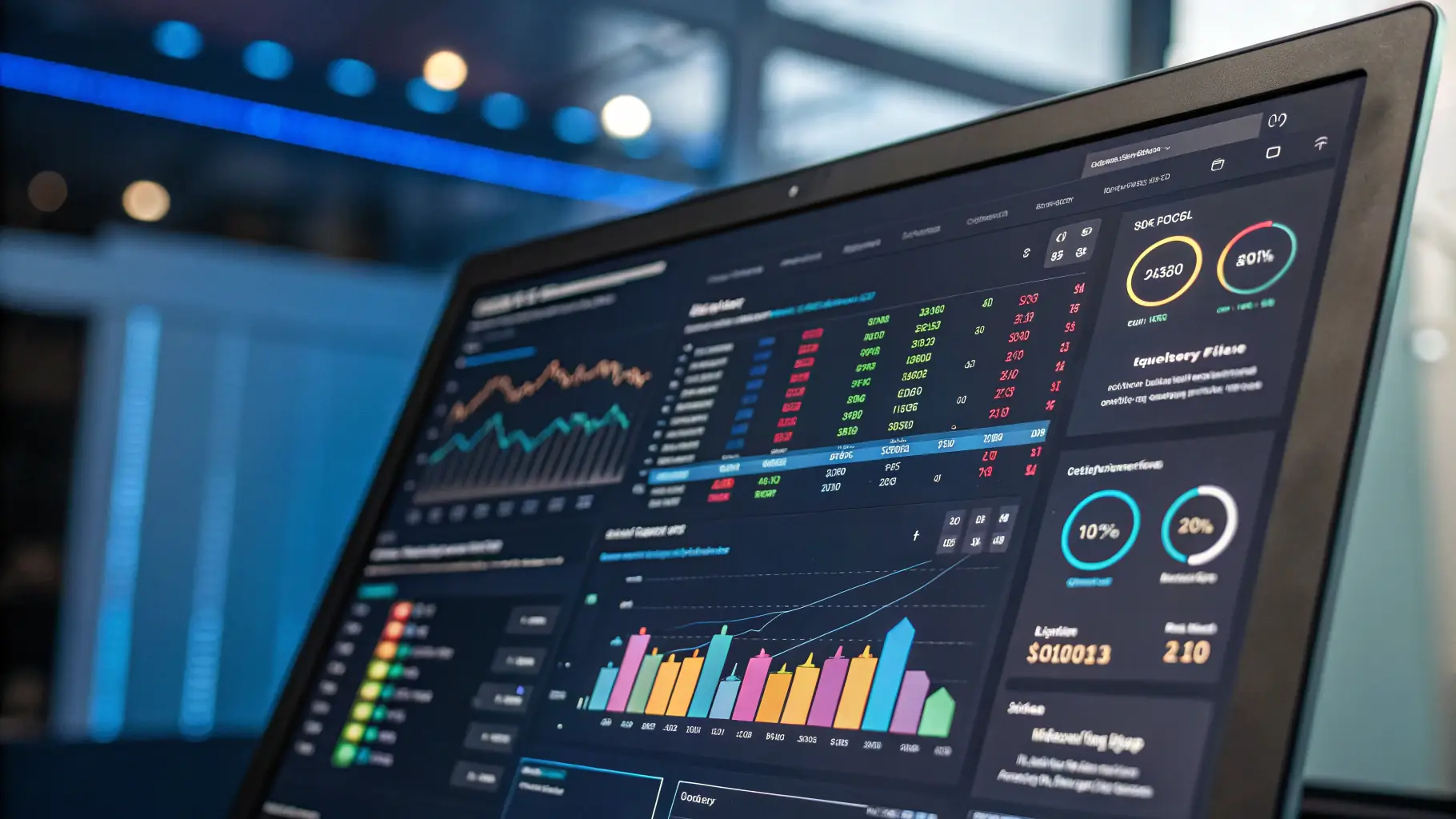
Where ROI actually lives
It’s not in the delivery itself — it’s in the handoff data between systems.
At Sentrien Systems, integration is the product.
By unifying ERP + Field Service Management + Telematics, circular logistics companies can drive measurable gains:
KPIs Typical Lift After Deployment
Route Density: ↑ 15–25% more stops per truck
Billing Errors: ↓ 30% fewer invoice disputes
Lost Rental Units: ↓ 18–22% reduction in asset loss
Service Compliance: ↑ 25% better delivery & PM completion rates
Billing Cycle Time: ↓ 35–50% faster invoicing
Those gains mean:
- Fewer deadhead miles
- Higher truck utilization
- More assets recovered and billed
- Fewer emergency delivery failures
- Services that are completed and invoiced, not forgotten
One real example that shows the pattern
A regional storage container distributor servicing commercial and industrial sites implemented an ERP with a unified Rental Delivery model:
Results were impressive:
- Greater dispatch accuracy
- Fewer administrative staff hours
- Better asset reconciliation
- Predictive service scheduling for return pickups (based on usage, not memory)
- More deliveries completed per labor hour
🔹 When asset deliveries are monitored and pickups auto scheduled, invoices deploy faster, customers are happy, and profits expand – all without adding trucks or technicians.
Key takeaways
- 80% of circular logistics companies struggle with asset loss — not because of theft, but because systems don’t close the loop
- ROI comes from integration, dispatch proof, automated billing, and real fleet analytics
- Every industry delivering full units needs the same reverse pickup accountability
- The future isn’t more software — it’s connected truth across software
Summary
Stop losing revenue between stops. Unify your delivery, rental, and asset return operations with Sentrien.
📩 Contact us: info@sentrien.com
🌐 Visit us: www.Sentrien.com